Complete guide to importing a car from Germany. Choosing the seller, documents, pickup, delivery, and registering the vehicle in Slovakia.
Germany has long been the strongest source market for Slovak buyers. The selection is wide, the service history is usually clean, and prices are well considered. This guide walks you through the entire process, from choosing a seller to registering the vehicle at the traffic authority. The goal is simple: buy well, ship safely, and register without surprises.
Choosing a seller and the first selection
Germany offers three main channels. Authorized brand centers provide a guaranteed history and the option of a warranty. Independent dealers often have a better price, but quality varies. Auction platforms such as BCA or Manheim are interesting for professional buyers and offer fleet vehicles from leasing.
When choosing, pay attention to the number of previous owners, a complete service book, and photos of the underbody. If the listing does not include a VIN, ask for it. Through the VIN you can independently verify the equipment, model, and origin via databases like Carfax or Germany's Schwacke. Verify the seller in the commercial register and in reviews on mobile.de or AutoScout24.
Inspection, purchase agreement, and payment
A personal inspection saves money. If you cannot come in person, arrange an independent inspector (DEKRA, TÜV, or GTÜ). The inspection reveals repainted panels, corrosion spots, and electronic faults before you sign.
The purchase agreement (Kaufvertrag) must contain identification of the seller and buyer, exact vehicle data including the VIN, the transfer date, the price, and signatures. When buying from a business, you usually have a right to a warranty; when buying from a private individual, the warranty is typically excluded with the phrase "gekauft wie gesehen". Payment is made by bank transfer or certified check. Avoid cash above the legal limit; proof of the funds' origin is a standard question in Germany.
Key documents: Fahrzeugbrief, Fahrzeugschein, and COC
Without these three documents you cannot register the vehicle in Slovakia.
The Fahrzeugbrief, officially Zulassungsbescheinigung Teil II, is the German large vehicle title. It contains the ownership history and serves as proof of ownership. The seller hands it over in original at the time of pickup.
The Fahrzeugschein, Zulassungsbescheinigung Teil I, is the small registration document with the current license plate number. The seller or the authority deregisters it for export.
The COC certificate (Certificate of Conformity) is the pan-European document of conformity with the type approval. Without a COC, homologation in Slovakia is not possible. If the seller does not have one, request it from the manufacturer before closing the deal. Issuance can take weeks.
Pickup and the actual transport
After signing the contract and transferring the funds, you have two options. Either drive the car yourself on export plates (Ausfuhrkennzeichen), or use a professional carrier. The second option is safer, especially for premium or non-running vehicles.
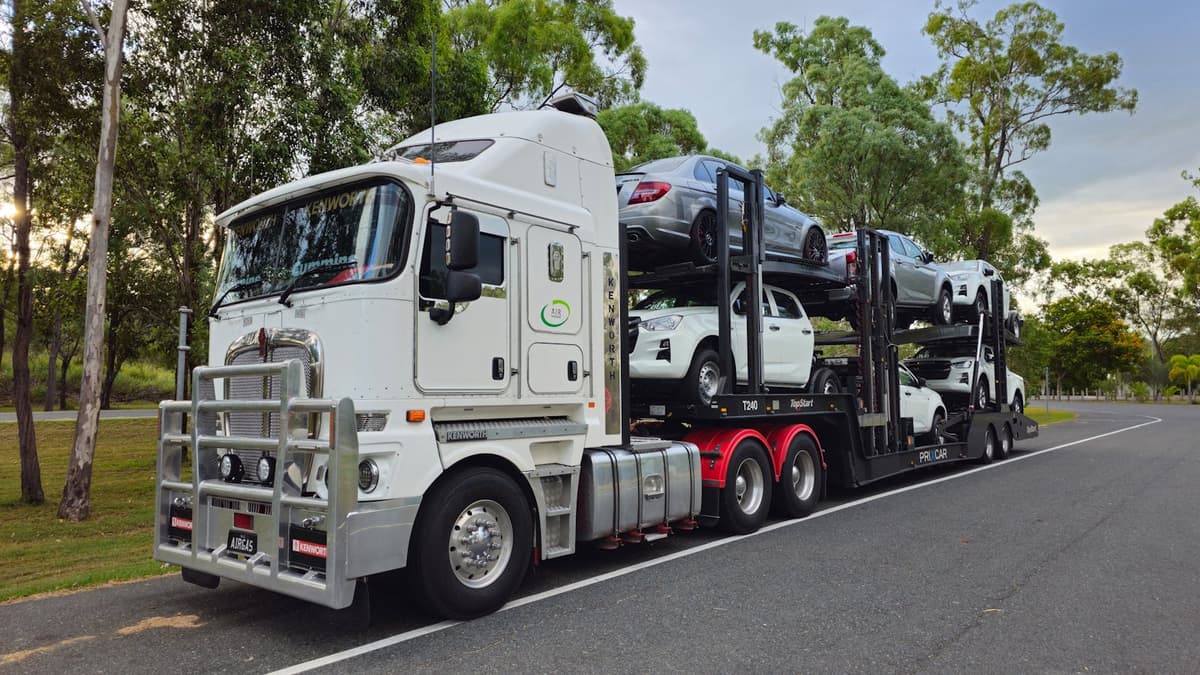
When you ship with us, the vehicle is covered by CMR insurance and receives photo documentation of the VIN before loading and after unloading. For premium cars, we recommend enclosed transport with air-ride suspension and soft strap fixation on chassis points. The Germany to Slovakia or Czech Republic route is normally completed in 1 to 3 days. After dispatch you receive a GPS link for tracking.
You can find more about this destination in the car transport from Germany section. If you prefer the convenience of pickup directly from the seller and delivery to your home, choose the door to door service.
Vehicle registration in Slovakia
After delivery you have thirty days to register. You will need the purchase agreement, the Fahrzeugbrief, the Fahrzeugschein with the export stamp, the COC certificate, and an ID document. Consult your tax advisor regarding any tax documents and procedures.
The procedure has four steps. First, the individual import of the vehicle at the district transport office. Then the emissions and technical inspection at an authorized inspection station. Next, payment of the registration fee based on engine power. Finally, issuance of the license plates and the registration certificate.
Frequently asked questions
Do I need a German address to buy a car?
No. Sellers regularly sell to foreign buyers. With the purchase you receive export papers and temporary plates for the move, or you have the vehicle transported by a carrier.
What documents do I receive from a seller in Germany?
When buying from a dealer you receive the purchase agreement (Kaufvertrag), the Fahrzeugbrief, the Fahrzeugschein with the export stamp, and most often a COC certificate. With a private purchase, you draft the purchase agreement on the spot. Consult your tax advisor on tax aspects of registration; we are not tax advisors.
What if the seller does not have a COC certificate?
Request it from the manufacturer through the nearest brand importer. Without a COC you will need to go through individual type approval, which is more expensive and slower than waiting for a regular certificate.
How long does car transport from Germany to Slovakia take?
Normally 1 to 3 working days depending on the pickup area. Express mode shortens the timeline if it is time critical. We will prepare the price for the express variant within the quote.
What if the car is not running?
We transport non-running vehicles with a winch and a special ramp. Indicate the condition in your quote request and we will account for it through a surcharge for non-running vehicles.
What's next
If you have a specific car selected or are simply planning an import, we will prepare a concrete quote within a few hours. Just send the VIN, pickup location, and delivery destination.
Start by requesting a quote. For a complete overview of our options for transport from Germany, see car transport from Germany or read how the door to door service works.