A 50-year-old car. How to ship a classic safely and without damage
How to safely transport a fifty-year-old car. Fragile paint, original chrome, wood, leather, rubber seals, enclosed truck, and documents for a vehicle without registration.
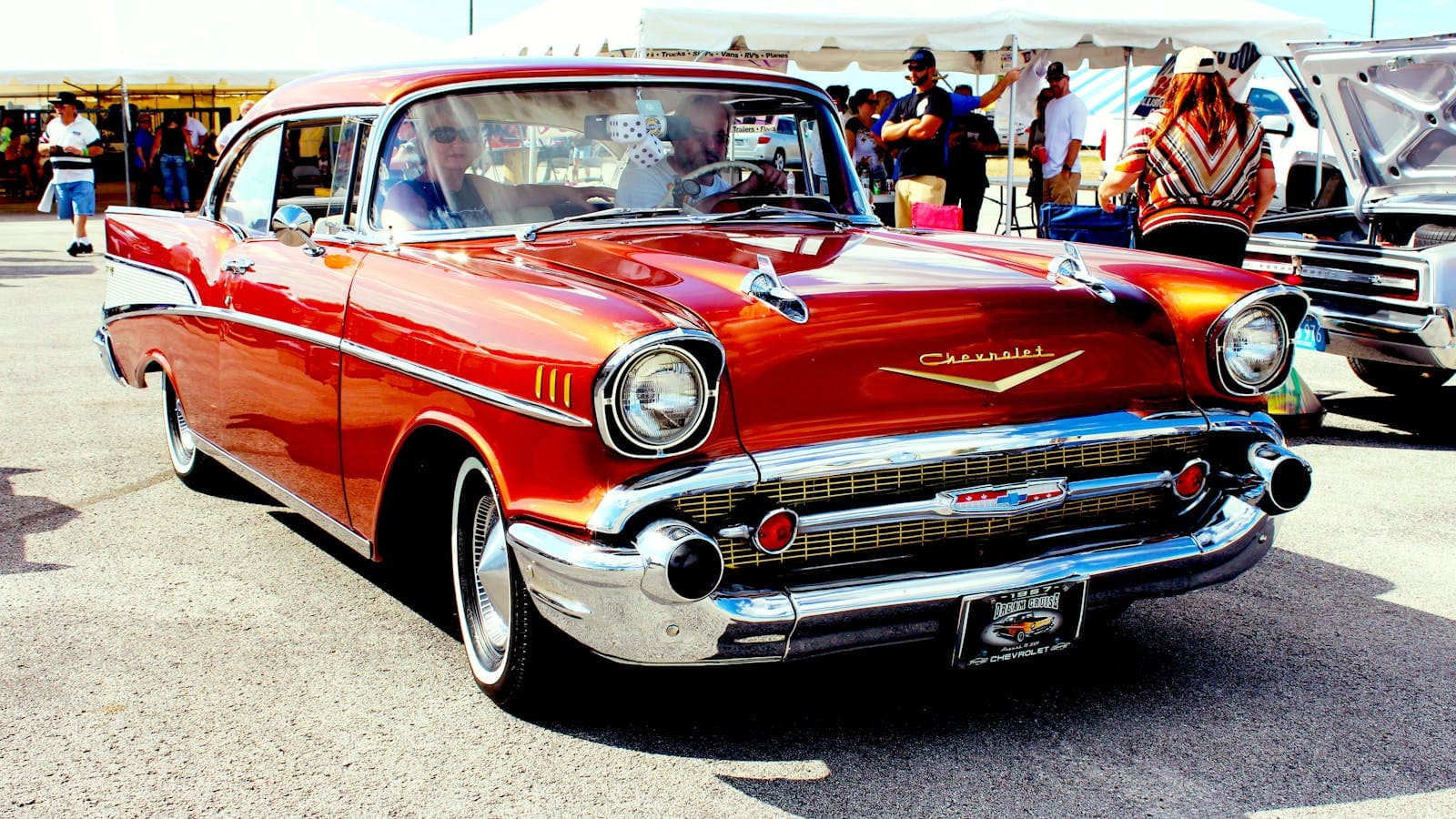
A fifty-year-old car is more than a means of transport. It is a historical artifact with original paint, original chrome, wooden interior elements, and seals that no one will reproduce in the same quality. Transporting such a vehicle is not the same as moving an ordinary car. In this guide we show what we account for when transporting a classic.
What makes an oldtimer fragile
Original paint
Paint from the sixties or seventies is often still the original factory finish. After decades of aging, it is thinner, more sensitive to UV radiation, and more prone to micro-scratches. A single rain mark or dust from a passing truck during open transport can cause damage that cannot be locally repaired without repainting the panel.
Original chrome
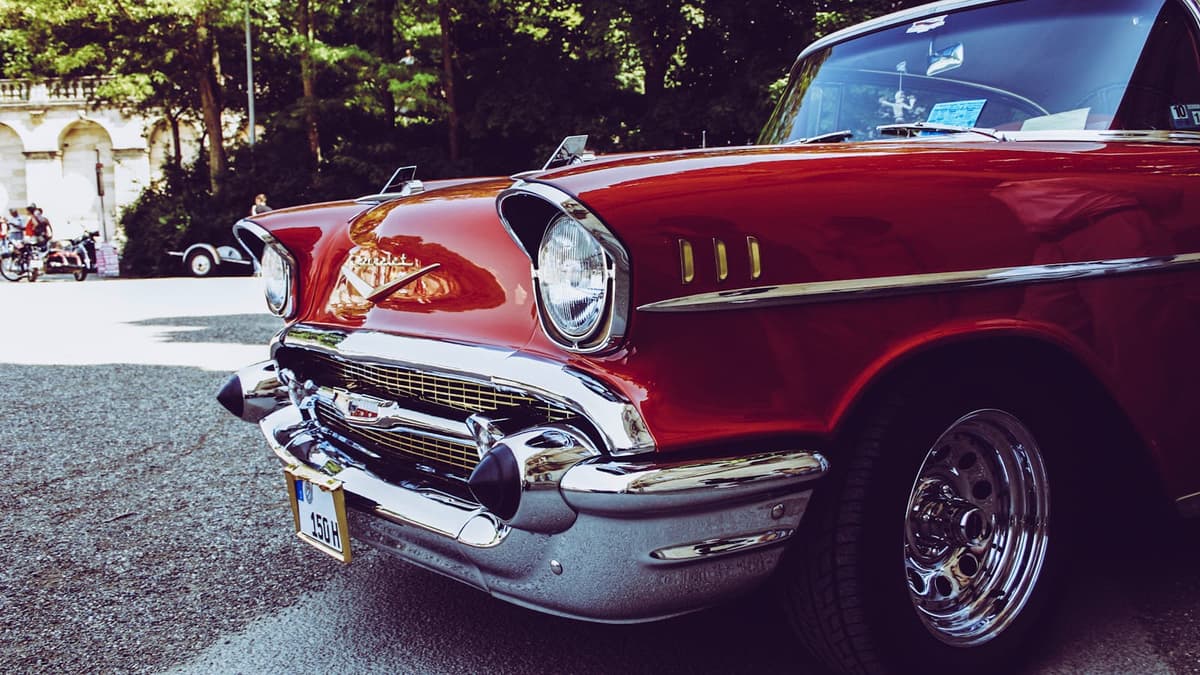
Original chrome was made in thicker layers than modern coating. From the collector's point of view, this is enormous value. From the transport perspective, it is a risk. Any pressure, dust-laden airflow, or improper strapping causes micro-corrosion or scratches that reduce the vehicle's value.
Wood and leather in the interior
Wooden dashboards, leather seats from the sixties, and textiles with original patterns react to humidity and temperature. An open transporter cannot maintain a stable environment. Long fluctuations cause cracking of the lacquer on wood and drying of the leather.
Rubber seals
Original rubber around the glass and doors is often brittle. Improper handling cracks it. Original replacements do not exist or are extremely expensive. We therefore eliminate any vibrations that could increase the strain during transport.
Why an enclosed truck is a must
For a classic older than thirty years, an enclosed truck is the only responsible choice. The reasons are concrete.
Protection from the weather
The enclosed body of the truck protects against rain, snow, hail, and sun. The client transporting across all of Europe does not need to worry whether the route will pass through a storm.
Stable temperature and humidity
Inside the enclosed truck there are no extreme temperature swings during day and night. Wood, leather, and seals therefore have a stable environment.
Protection from prying eyes and dust
A rare classic worth hundreds of thousands of euros should not be visible to everyone on the highway via an open transporter. An enclosed truck means discretion as well as a physical barrier against road dust.
Air-ride suspension
Air-ride suspension is a given. It dampens shocks and protects the vehicle's original technical elements.
How we secure an oldtimer with original parts
Soft straps and chassis points
We exclusively use soft straps. They are wide textile straps fastened to chassis points. That means solid points on the ladder frame or reinforced spots on the underbody. Never across original chrome, fenders, or wheels with original rims.
Protective pads under the wheels
For sensitive tires, we place protective pads under the wheels. This prevents flat-spotting during long stops in the same position.
No pressure on the body
For classics with thin sheet metal, we never use straps that would press directly on the body. Everything goes through the chassis and frame.
Humidity and UV protection
In our enclosed transporters we have ventilation that maintains stable humidity. For vehicles with extremely sensitive surfaces, we add protective textile covers. Original glass is protected from UV radiation by the truck construction itself, which is critical for vehicles with old films or original seals.
Documents for transporting a classic without registration
Some historic vehicles do not have a current registration document. Either they are being registered, came from auctions like RM Sotheby's without registration, or come from a collection where they sat for decades without registration.
What we need
- Proof of ownership. Invoice, purchase agreement, or auction protocol from Bonhams, Gooding, RM Sotheby's, or Dorotheum.
- VIN code and photo documentation of the vehicle.
- For vehicles older than thirty years, the client sometimes proves the status of a historic vehicle. In that case, it is helpful to have a FIVA passport or a confirmation from a national club.
Transport without registration
CMR documents are issued as for any other shipment. The subject of transport is the vehicle with the VIN. The registration document is not required for the transport itself, but it is needed for any check at entry into certain countries. Our dispatch can prepare for this situation in advance.
CMR insurance and higher coverage
Standard CMR insurance covers every international shipment. For vehicles worth hundreds of thousands or millions of euros, the standard is not enough. For classics and hypercars, we offer supplementary insurance and coverage above €500,000 by individual quote.
For clients with their own insurance for collector cars, we communicate with their agent and synchronize coverage during the route.
VIN photo documentation before and after
For classics we produce extended photo documentation. A photo of the VIN, photos of all sides of the body, details of the original chrome, the interior with the wooden panel and seats, the engine under the hood, the underbody from below where possible. A set of photos before loading and after unloading is part of every shipment.
GPS tracking and 24/7 dispatch
The client has access to live GPS tracking throughout the route. Our dispatch is available continuously. When transporting a rare classic, the client often watches the truck's movement in real time and communicates with us at every stage.
Frequently asked questions
Can I send the car on an open transporter if the route is short?
For a fifty-year-old car, we do not recommend open transport even on short routes. The risk of damage to the original paint or chrome is greater than the possible saving.
The car has no valid registration; it is a recent auction purchase. Is that a problem?
No. The subject of transport is the vehicle with the VIN. We need proof of ownership, an auction protocol, or an invoice. We issue CMR documents independently of the registration status.
How do you secure a car with brittle rubber seals?
Soft straps are fastened exclusively at chassis points. No pressure goes onto the body, the glass, or the area around the seals.
Do you also cover higher values for rare pieces?
Yes. For classics and hypercars, we arrange coverage above €500,000 by individual quote. Supplementary insurance is set according to the confirmed value of the vehicle.
What is the difference between your classic transport and standard transport?
For classics we use an enclosed truck, air-ride, soft straps at chassis points, extended photo documentation, and higher coverage. Standard transport may not include all of these elements.
What's next
Send us the make, model, year, value, and photos of the vehicle. We will prepare a quote with an enclosed truck and supplementary insurance. We work with collector cars across twenty-eight EU countries plus UK, CH, and NO. Experience since 2013 and a network of partners are a guarantee for your classic.
Request a quote, see the details of enclosed transport, or read more about classic car transport.